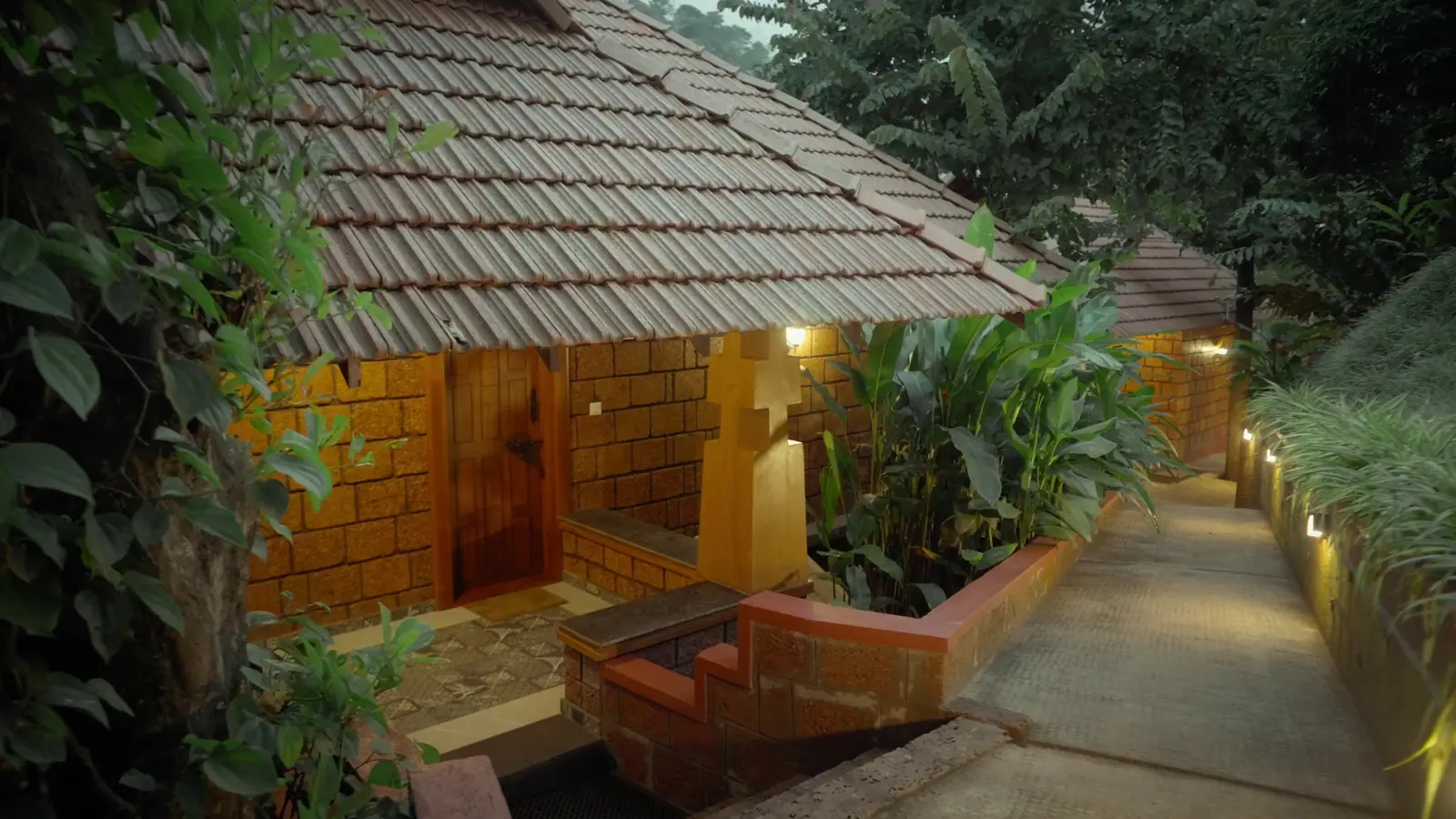
Huthri (also Puthari or Huttari) is the rice-harvest festival of the Kodava people of Kodagu. It falls in late November or December, in the Kodava month of Birchyar, and its heart is a ritual in which the first sheaves of paddy are cut and carried home. For visitors it’s a chance to understand the district’s farming year and its oldest traditions, provided you remember that it’s a family festival first.
What is Huthri?
The name is usually linked to “new rice”. Huthri marks the paddy harvest, and it is also a thanksgiving to the earth. It is one of the most important festivals in the Kodava calendar, celebrated in homes, in villages and at temples across Kodagu.
Its deity is Igguthappa, the god of the rice crop, the harvest and the rain, whose temple at Padi, near Kakkabbe, plays a central part in setting the date.
When is Huthri celebrated?
- The month: Birchyar in the Kodava calendar, which falls in late November or December. It is usually observed on the full moon.
- The day: fixed each year by the traditional astrologer at the Padi Igguthappa temple, along with the auspicious time for the rituals.
- Two days: the celebration at Padi comes first (Padi polud, or deva polud), and the rest of Kodagu celebrates the following day (naad polud).
Because the date is set each year, check it closer to the season rather than relying on a calendar printed months ahead.
What happens during Huthri?
Accounts of the festival, including Deccan Herald’s yearly reports from around the district, describe the same broad shape:
- The house is prepared. It’s cleaned, sometimes whitewashed, and the doorways are decorated with strings of mango leaves and marigolds.
- The nere is tied. Leaves from several trees, such as mango and jackfruit, are rolled and tied together into a bundle called the nere.
- A procession goes to the field. Family members walk to the paddy field to the beat of the dudi, a small Kodava drum.
- The first sheaves are cut. Traditionally shots are fired into the air before the cutting, and the call “Poli poli deva” goes up as the sheaves are cut.
- The sheaves come home. They’re carried back in procession and tied in front of the house, in the kitchen and in the cowshed.
- Everyone eats. Rice payasa, thambittu, kadubu and pandi curry are among the dishes mentioned in festival reports.
Practices differ from family to family and from village to village, so treat this as an outline.
Can visitors see Huthri?
Mostly, Huthri happens at home and in family fields, and it isn’t a show. Some Kodava organisations hold public observances, which local papers report each year, and temples mark the day too.
If you’re in Kodagu during Huthri:
- Ask your hosts what’s happening nearby that week.
- Don’t walk into fields or family courtyards without an invitation.
- Ask before you photograph people or rituals.
Huthri and the farming year
Huthri comes as Kodagu’s farming year turns to harvest. Paddy comes in first; then, from November to February, the coffee is picked (November to January for Arabica, December to February for Robusta, according to the Coffee Board of India). The Coorg coffee calendar follows the year from blossom to harvest, and the Coorg in December guide covers the weather and travel around the same weeks.
Mokha Grove is a homestay on a coffee estate near Pollibetta in South Coorg. If you’d like to visit around Huthri, ask the hosts what the week looks like.