In Coorg, coffee usually flowers between February and April and is picked between November and February: the Coffee Board of India gives February–March for Robusta blossom and March–April for Arabica, with Arabica harvested from November to January and Robusta from December to February.
Those are windows, not dates. Coffee flowers when the rain says so, which means the week an estate turns white moves every year and differs from one estate to the next. We’re writing from a family-run, 300-acre coffee estate near Pollibetta in South Coorg, and we would rather explain how the calendar really works than promise you a day. Our own blossom and picking dates for recent years are still being written down with the family. Until they’re published here, the honest advice is simple: ask us what’s happening on your dates.
The short answer
- Blossom: Robusta in February–March, Arabica in March–April, each after the first good pre-monsoon rain, which planters call the blossom shower.
- Fruit set: a second rain, the backing shower, is needed: March–April for Robusta, April–May for Arabica.
- Harvest: Arabica November–January, Robusta December–February. South Coorg grows mostly Robusta, so picking here mostly runs from December into February.
- Pepper: picked in the hills from January to March.
- Monsoon: usually from the first week of June to the second week of September.
- Best time to visit Coorg: October to March, says Karnataka Tourism. That covers the picking and the start of the blossom.
Blossom showers and backing showers: why the date moves
Coffee in Coorg flowers on a cue from the sky. The Coffee Board puts that first rain, the blossom shower, at 25–40 mm. When it comes, the bushes break into white flowers along the branches. The family’s own description is of coffee blossoms that perfume the air. How long the flowers last depends on the weather that year, so we won’t put a number on it.
Flowering is only half the job. To set fruit, the bushes need a second, heavier rain, the backing shower, of 50–75 mm. Growers in Kodagu told Mongabay India that it has to follow within about two weeks of the first. That’s why planters watch the sky so closely in spring.
Then there’s irrigation. Some estates don’t wait for the rain: they run sprinklers to bring the coffee into flower. A study of Kodagu estates published in PNAS in 2013 found that flowering triggered this way, out of step with neighbouring estates, “dramatically increased bee abundance at coffee trees”.
Put those together and you can see why nobody can honestly promise you a blossom date. It depends on when the rain falls, whether the backing shower follows in time, and whether an estate irrigates. Two estates a few kilometres apart can flower at different times.
Blossom is also when the bees come in force. Working in Kodagu’s coffee, researchers found that bees made up about 97% of the visitors to coffee flowers, and that bee pollination increased fruit set by 50% over wind. There’s more in our journal piece on bees, blossom and honey in Coorg, and you can join the seasonal Bees & Blossom walk when the coffee is in flower.
Robusta or Arabica? Why South Coorg flowers earlier
Most travel guides say Coorg’s coffee blossoms in March and April. That is the Arabica window. But the coffee around Pollibetta is overwhelmingly Robusta.
The Coffee Board’s July 2024 database has the numbers. Kodagu grew 132,620 tonnes of coffee in 2023-24, about 37% of India’s crop, and about 85% of it was Robusta. The district splits in two. In the Madikeri zone to the north, the coffee area is close to even: 25,300 hectares of Arabica and 29,826 of Robusta. In the Virajpet zone, which covers South Coorg, it is 2,538 hectares of Arabica to 50,057 of Robusta, or about 95% Robusta.
Robusta prefers lower, warmer ground (500–1,000 m, 20–30 °C, in the Coffee Board’s figures), and Arabica higher, cooler ground (1,000–1,500 m, 15–25 °C). Robusta’s blossom window also opens about a month earlier. So in South Coorg, the blossom you’re most likely to see comes in February and March, earlier than the dates most guides repeat.
Mokha Grove sits inside one of these South Coorg estates; the hosts run the homestay rather than the plantation, so this calendar follows the Coffee Board’s published windows for the region.
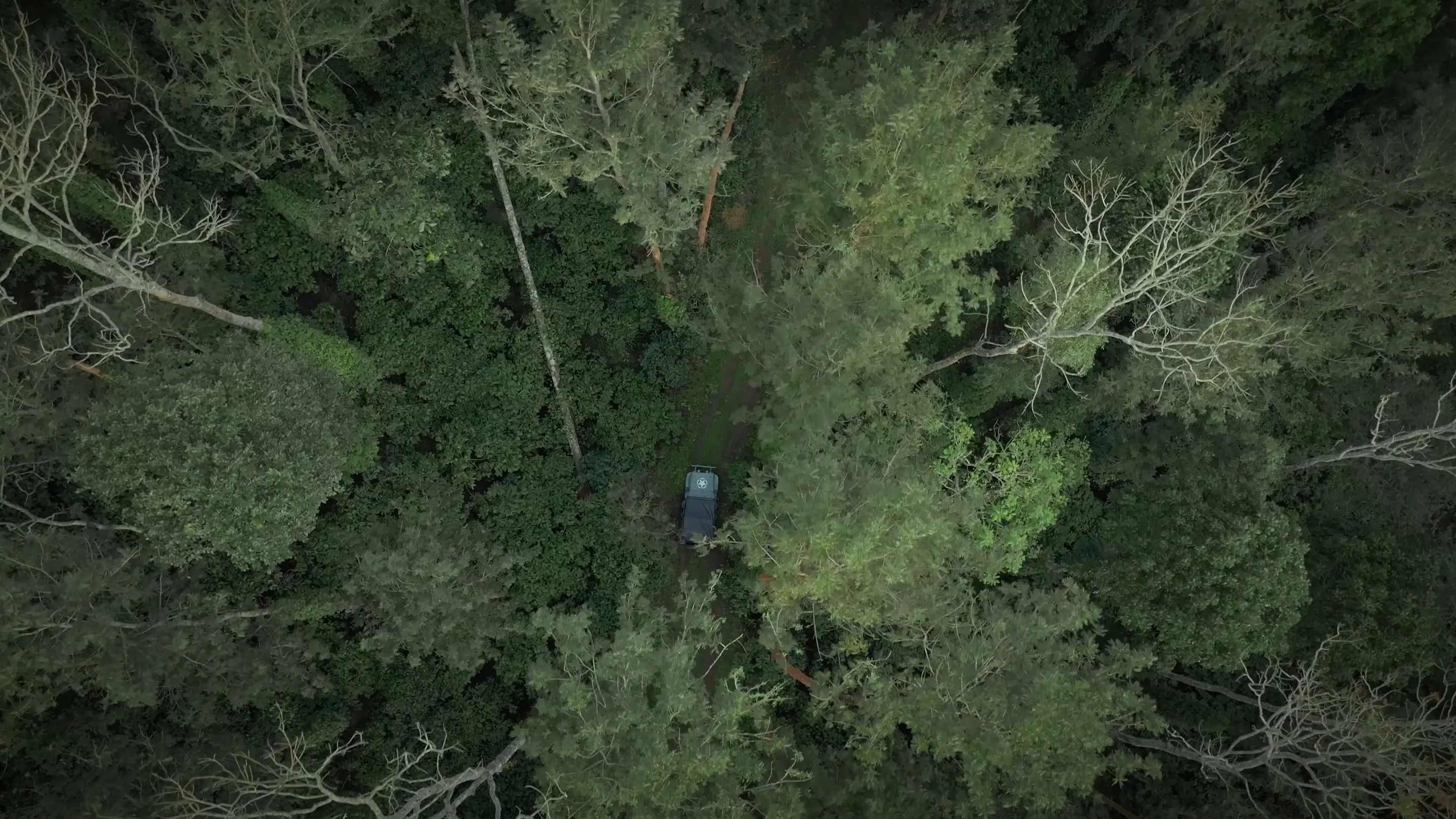
Month by month on a South Coorg coffee estate
This is the general calendar for an estate in Coorg’s Robusta belt, built from the Coffee Board’s windows and the district’s weather. Read every row as a window, not a date.
| Month | On the estate | Weather and travel |
|---|---|---|
| January | Robusta picking, then drying. Pepper picking begins in the hills. | Cool and pleasant. Inside the October–March best-time window. |
| February | Robusta picking winds down. The Robusta blossom window opens after the first good shower, or the sprinklers. | Still in the best-time window, and warming. |
| March | Robusta backing showers. The Arabica blossom window opens. Pepper picking ends. | Warmer days. Coorg in March is the main blossom bet. |
| April | Arabica blossom and backing showers. Bees busy on any flowering coffee. | Warm, with pre-monsoon showers. |
| May | Arabica backing showers. Young berries setting on the branches. | Pre-monsoon, and usually the hottest month. |
| June–September | Green berries growing through the rains. | South-west monsoon: arrives in the first week of June, withdraws in the second week of September. Wet and very green. |
| October | Berries filling out ahead of the picking. | North-east monsoon showers into mid-November. The best-time window opens. |
| November | Arabica picking begins on estates that grow it. | Cool and pleasant. |
| December | Arabica picking continues. Robusta picking begins. | Cool and pleasant. Coorg in December means picking season. |
We’ll add our own estate’s blossom and picking weeks for the last few years to this table once the family has them written down. Until then, message us with your dates and we’ll tell you what we’re actually seeing.
Harvest: picking, drying and what you can see
Picking is the steadier half of the coffee year. Blossom depends on a single good rain. The harvest window spans about three months.
The Coffee Board gives November to January for Arabica and December to February for Robusta. Kodagu growers told Mongabay that picking runs “December-February” and that the crop then needs “at least two months to dry”. On an estate near Pollibetta, a stay in December, January or early February has the best chance of overlapping with the picking.
After it’s picked, coffee goes one of two ways. In the washed method, the pulp comes off before the beans are dried in their papery “parchment” skin. In the natural method, the whole cherry dries in the sun. India’s coffee trade names its grades after the method: Robusta Parchment and Robusta Cherry, Plantation (washed Arabica) and Arabica Cherry. The coffee page explains the difference in more detail.
If your dates fall inside the window, the morning estate walk, included in every stay, takes you into the coffee under the shade trees. Ask us when you book whether picking will be on during your stay and whether you can watch it. Whether our crop is pulped or sun-dried on the estate, and whether there’s a drying yard to see that week, is a question for us too. It changes with the year and the estate’s work.
“The estate tour with Brijesh was another highlight. He shared the history of his family’s estate, explained how coffee is grown…”
— Kratika, June 2026, in her Airbnb review
Black pepper on the shade trees
Coffee isn’t the only crop with a season here. In Kodagu, black pepper vines are trained up the shade trees, which serve as “live standards”, or living poles. The Coffee Board lists pepper among Coorg’s usual intercrops, along with cardamom, orange, banana and arecanut.
In the hills, pepper is picked from January to March, according to Kerala Agricultural University. The whole spike comes off when one or two of its berries turn bright orange, and the spikes are then dried in the sun for 7–10 days. Our neighbour, Tata Coffee’s Pollibetta Estate, grows Robusta and pepper.
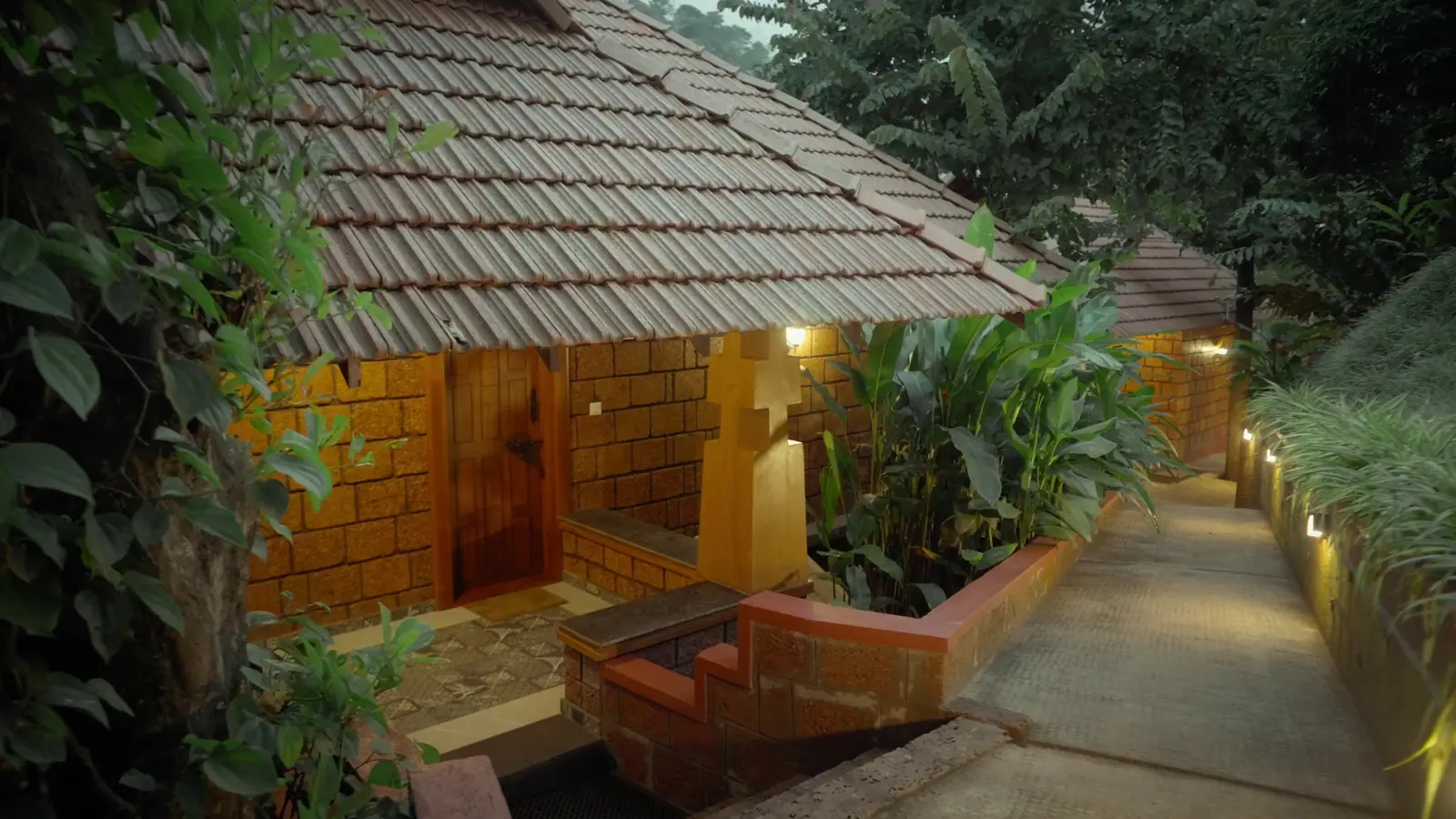
In the photo at the top of this page, vines wrap the shade-tree trunks, the way pepper is grown across Kodagu. A January visit sits inside both the Robusta picking and the pepper season in the hills.
The monsoon months
The south-west monsoon normally reaches Kodagu in the first week of June and withdraws in the second week of September, according to ICAR-CRIDA’s district plan. North-east monsoon showers follow from the first week of October to the second week of November. Kodagu averages about 2,725 mm of rain a year, most of it in the south-west monsoon.
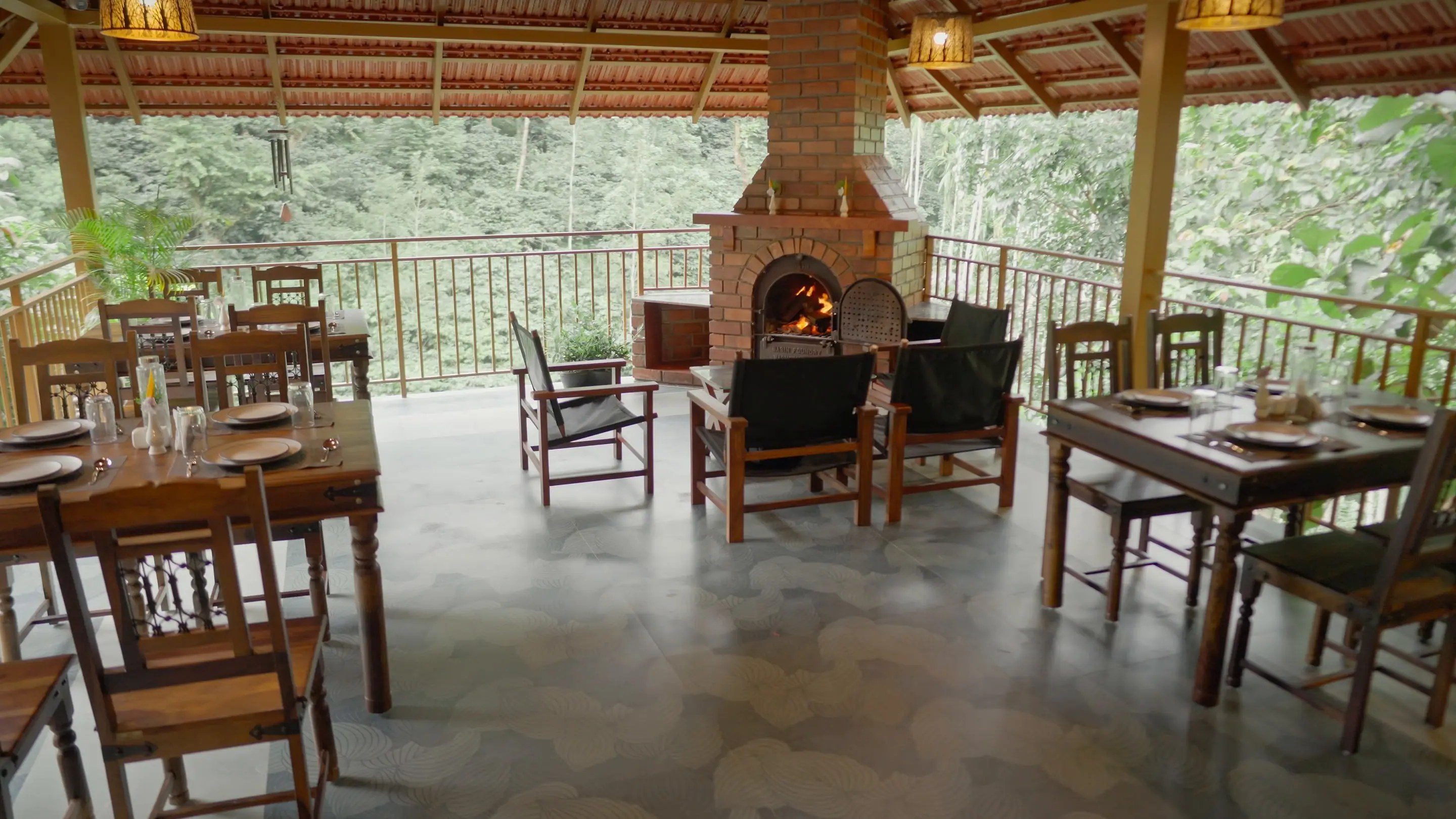
On a coffee estate, the rains are the growing season. The berries set in spring swell on the branches through the wet months, ripening towards the picking. Every surface is green, and the brick fireplace in the open dining pavilion is a good place to be on a wet evening.
Roads and trails are wetter, and travellers often mention leeches on Coorg’s forest trails in the rainy season. Before you pack, ask us how the estate paths and the jeep tracks are doing that month. Tell us your dates and we’ll tell you honestly what to expect.
Blossom, harvest or monsoon: which trip is for you?
Come for the blossom (February–April; mostly February–March in South Coorg) if your dates can move. It’s the most striking season and the least predictable. Book with some room either side, message us in the weeks before, and treat the flowers as a bonus rather than the plan.
Come for the harvest (December–February) if you want coffee you can count on. The window is long, the weather sits inside Karnataka Tourism’s October–March “best time”, and a December or January trip pairs picking season with cool days and evenings by the fire.
Come in the monsoon (June–September) if you want the estate at its greenest and don’t mind rain. Bring proper shoes and a book.
October and November are the quiet hinge between them. The rains are easing, the best-time window is opening, and Arabica picking starts in November on estates that grow it.
Whichever month you choose, breakfast is included, there’s estate coffee and a kettle in your room, and the morning estate walk is included. See the rooms, then ask us what’s happening on your dates. We’ll tell you what the coffee is doing, not what a guidebook says it should be doing.